
April, 2026
Sangga Stories
Safeguarding Indigenous Knowledge
Dayak Cultural Traditions as Foundations for Conservation in Bentarum
The Bentarum landscape is largely composed of customary forests managed by Indigenous Dayak communities. Here, land use is guided by deeply rooted cultural values, oral traditions, and place-based knowledge systems. Our conservation approach in Bentarum therefore prioritizes aligning ecological strategies with local belief systems that shape how communities interact with their environment.
Dayak cultural traditions play a central role in governing daily life in Bentarum. Much of this knowledge is passed down orally from one generation to the next and is closely tied to specific places and landscapes. Cultural practices are highly localized, and generalizations from other regions are often not applicable.
However, this knowledge system is increasingly at risk. Cultural documentation in Bentarum remains limited, with most knowledge held by community elders. At the same time, many elders have expressed concern that oral traditions are gradually being lost.
Sangga Bumi Lestari has been working with communities to document cultural narratives that shape relationships between people, wildlife, and the landscape. These narratives reflect intergenerational knowledge and customary practices that influence how certain species and areas are perceived and managed.
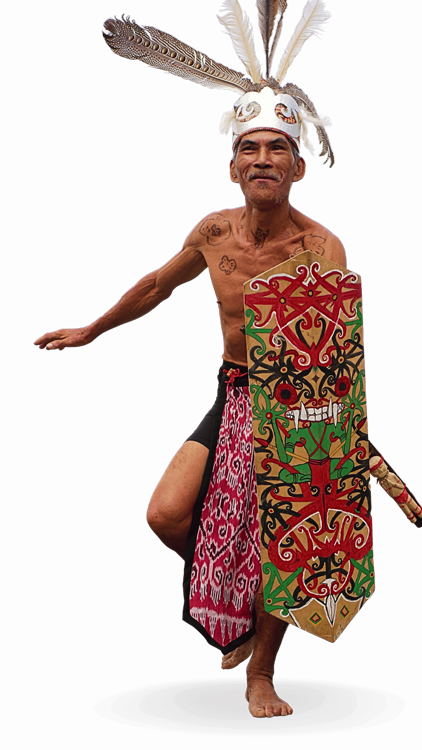
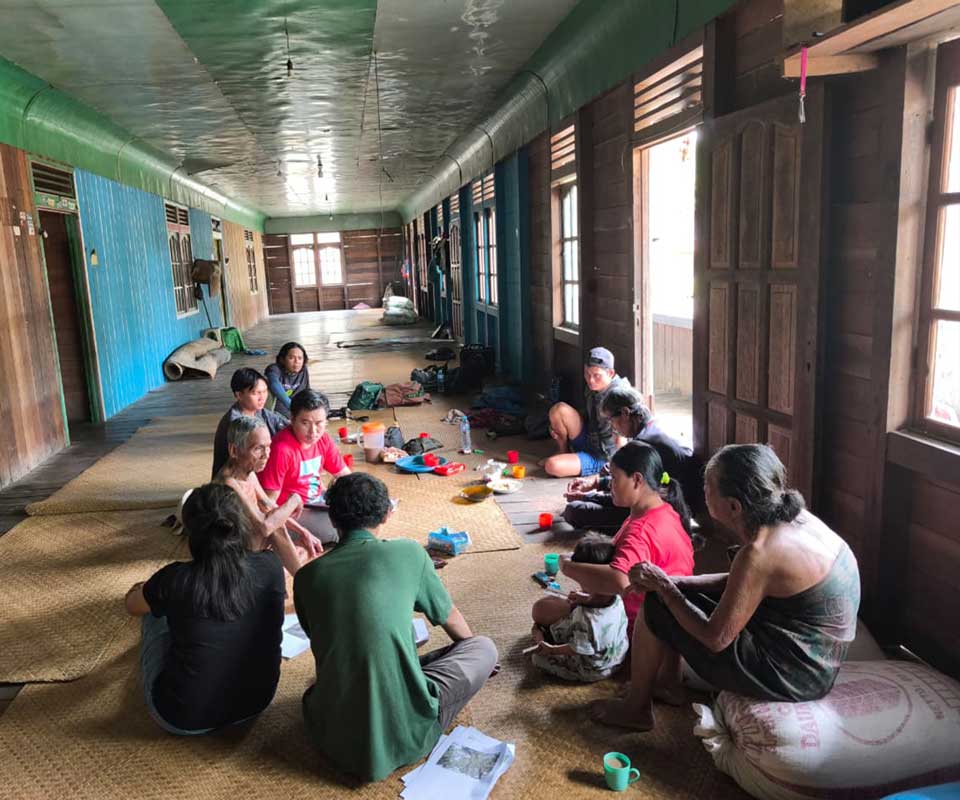
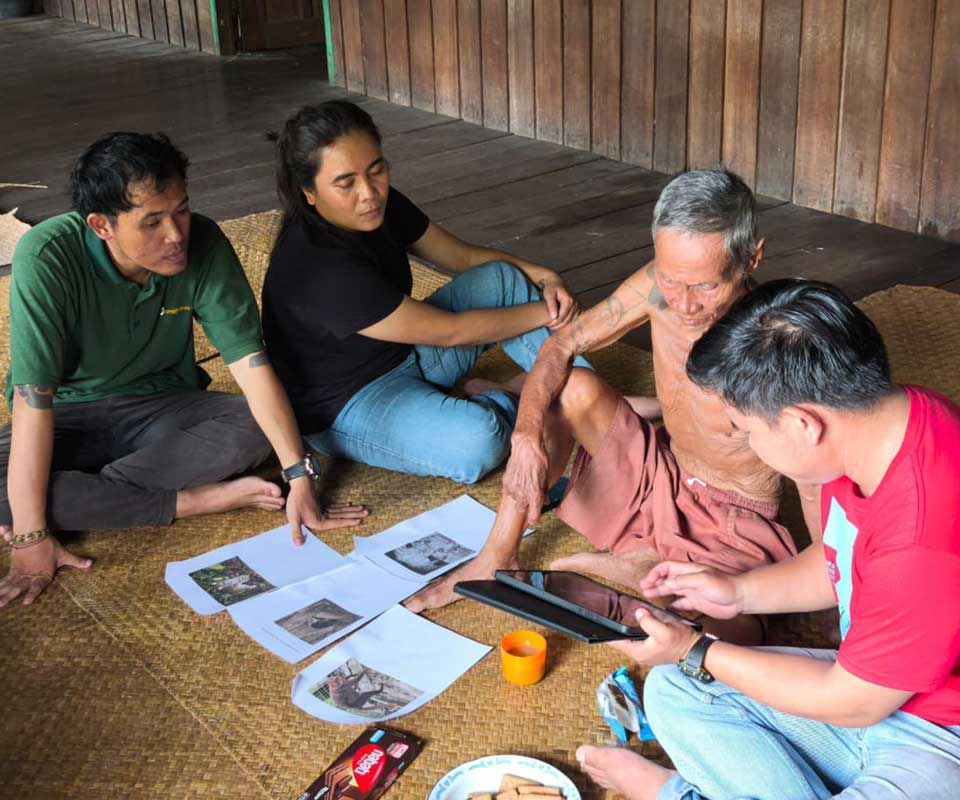
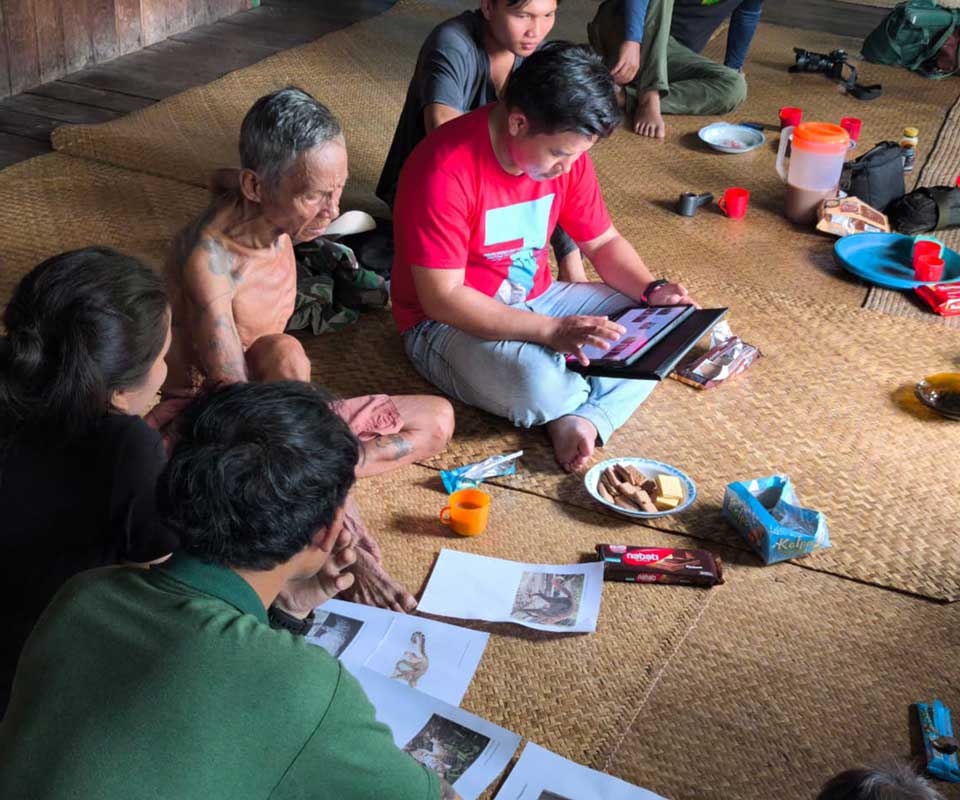
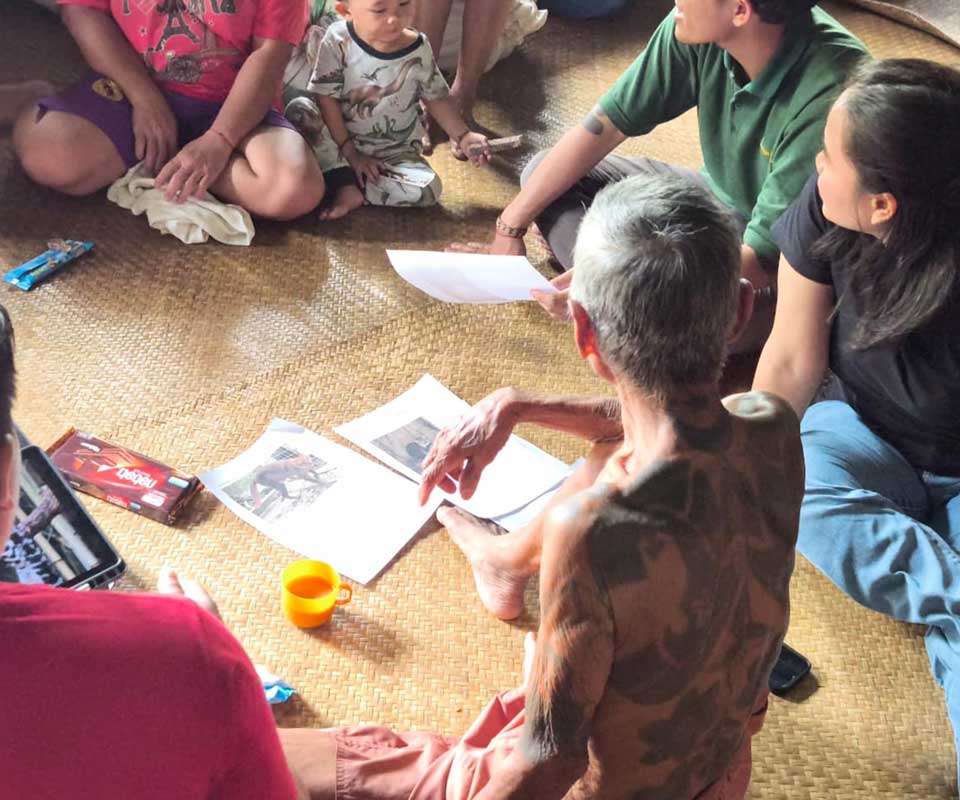
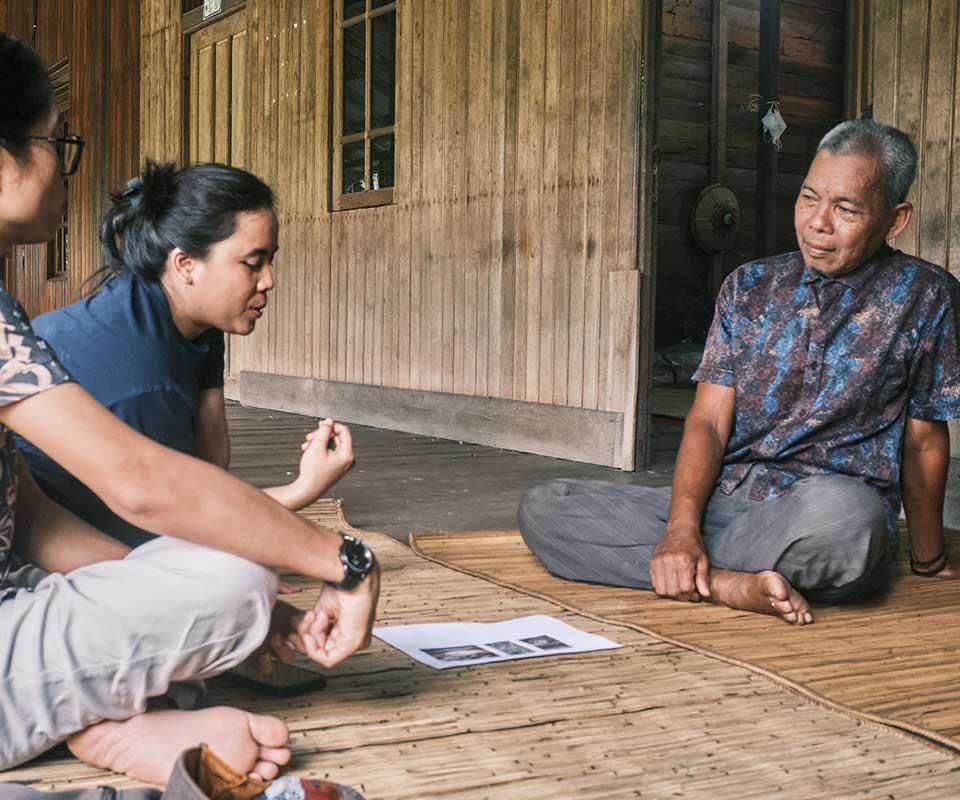
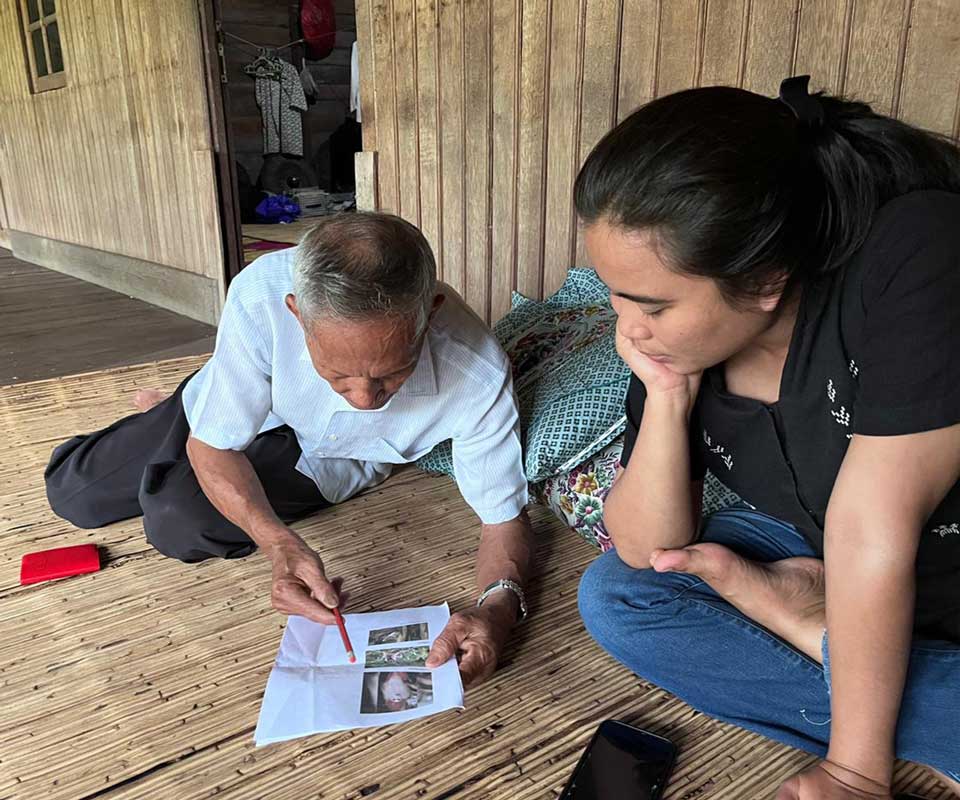
To date, documentation has been conducted across seven villages in the Bentarum landscape: Sungai Ajung, Menua Sadap, Sepandan, Pulau Manak, Labian, Benua Martinus, Benua Tanga, and Sungai Uluk Palin, involving interviews with at least 31 community members and elders.
This effort is driven by two key considerations:
- Conservation initiatives are more effective when they integrate not only economic drivers but also cultural factors that influence behavior and decision-making
- There is an urgent need to preserve oral knowledge before it is lost
Preliminary findings indicate that biodiversity-related narratives, particularly those concerning wildlife, can be broadly grouped into two main themes: stories that involve symbolic or mystical interpretations, and stories about real animals that carry cultural significance across generations. These narratives can also be categorized based on how they are transmitted: some are specific to particular cultural groups, while others are tied to specific locations and are widely recognized across communities regardless of cultural background.
Selected insights from this work will be shared through a publicly accessible digital platform currently under development.