
March, 2026
Education Centre: A Knowledge Centre for the Community
Challenge
Bentarum’s residents are vulnerable to ecological and social developments they have no control over. Agricultural productivity is low, impacted by poor soil quality, crop foraging by wildlife, pests, and diseases. Increased flooding further reduces economic activity. Corporate companies operate in indigenous forest areas, but villagers often don’t understand the regulations they operate under
Solution
A drop-in centre, in an easily accessible location, that can function as a learning centre and a place for residents to seek advice and discuss their issues.
Progress
We have established our Education Centre in the village of Pulau Manak in Bentarum’s centre. Education Centre serves as a learning and demonstration centre, providing a space for innovative solutions aimed at strengthening local food security and community development to be trialed.
Key Facilities Developed at Education Centre include:
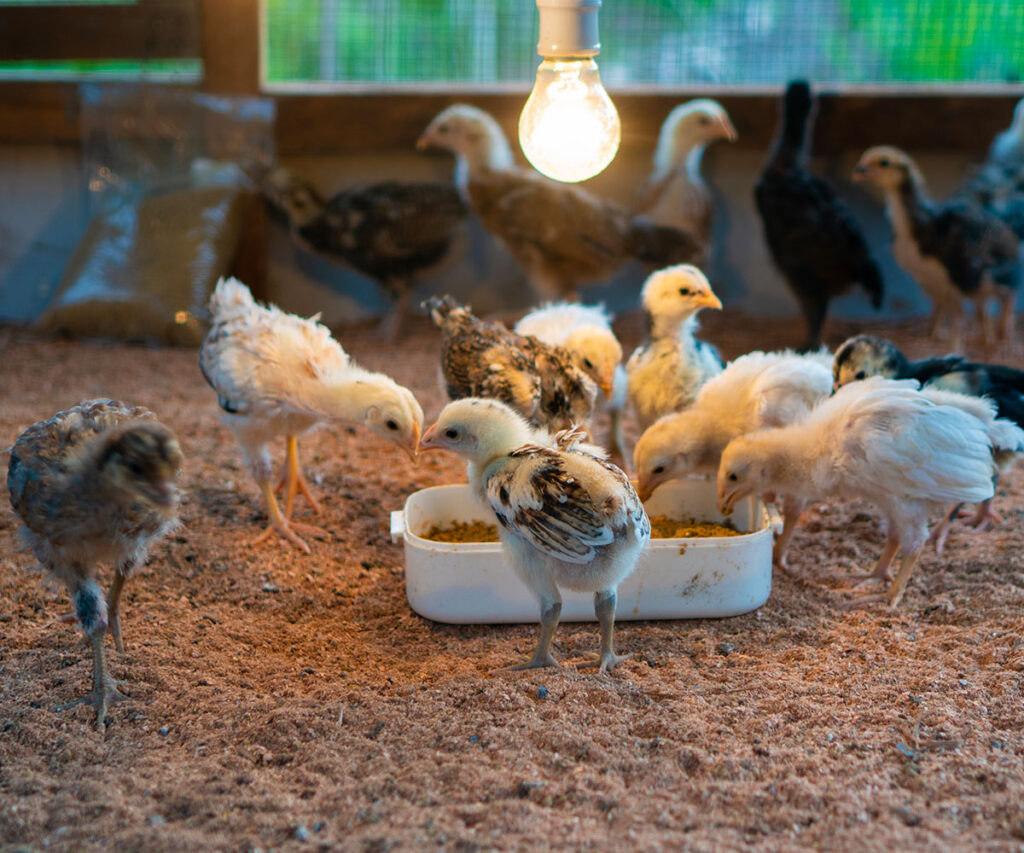
Local Chicken Feed Trial
Domestic chicken farming in Bentarum has declined due to frequent waves of Newcastle disease and a belief that chickens require expensive commercial chicken feed. This is reducing food security and influencing rates of wildmeat hunting.
We have established a free-range chicken demonstration plot to show how domestic chickens can be housed to reduce zoonotic disease risk and increase animal welfare. The plot is also being used to measure the impact of both commercial and locally made organic feed.
As of March 2026, the local chicken farming system at the demonstration plot has become more structured, with a total of 55 chickens across 4 small coops and 1 large coop. At this stage, two feeding treatments are applied: a combination of 50% commercial feed and 50% natural feed, and a fully natural feed approach, as part of our efforts to improve cost efficiency and promote feed independence using local resources. Egg production has also begun to show positive results, with a total of 78 eggs produced to date. Some of these eggs are also being used for hatching trials using an incubator, as an initial step toward developing a self-sustaining breeding system at the demonstration plot.
This phased and structured management approach not only improves productivity but also serves as a practical learning model for farmers in developing a more efficient, adaptive, and sustainable local chicken farming system.
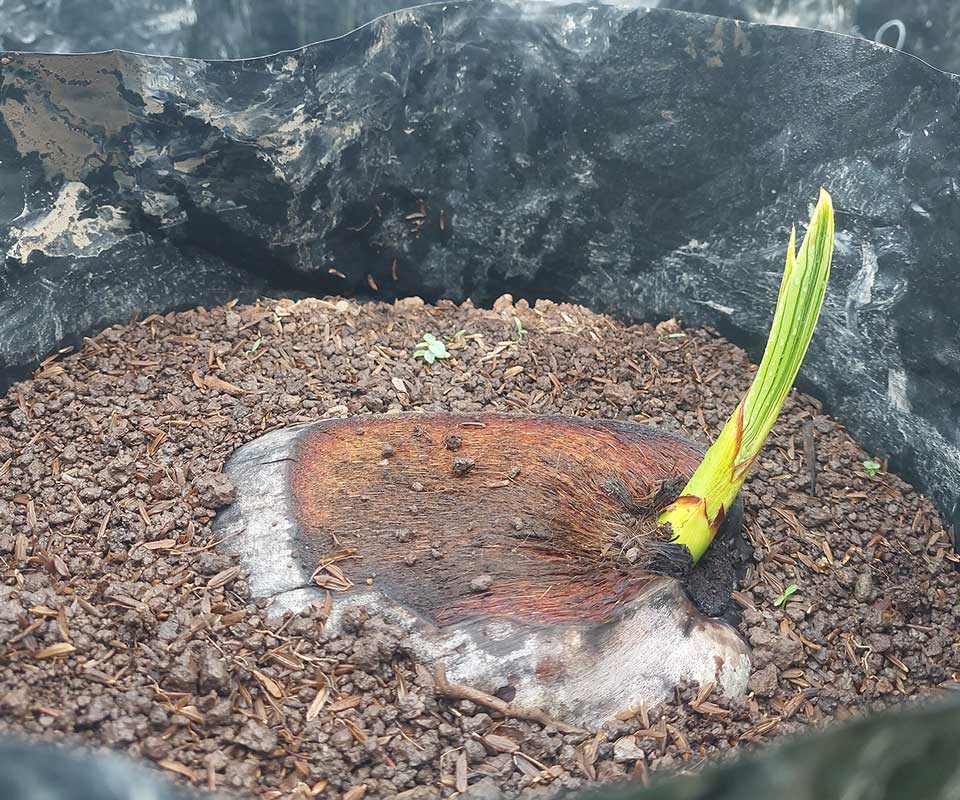
Trialling Bido Coconut in Bentarum
Our engagement with Indigenous Peoples and Local Communities (IPLCs) indicates a growing interest in identifying sustainable livelihood alternatives to palm oil. Drawing on Sangga Bumi Lestari’s experience in supporting coconut-based livelihoods, we are exploring the potential of coconut cultivation as a viable option. Initial consultations reveal strong community interest in coconut farming. However, access to technical and material support remains limited.
In response, Sangga Bumi Lestari has introduced the bido coconut variety within the Bentarum landscape. As a pilot initiative, ten trees have been planted at our education centre, serving as the foundation for the development of a local nursery. This nursery is intended to supply seedlings to surrounding communities.
Bido coconuts, a variety of coconuts from Maluku that are faster growing than traditional coconuts (flowering at 2 years, harvesting at 3 years) and produce large fruits of superior quality, offer a viable long-term alternative. To deal with the lack of local supply, a self-sustaining coconut nursery should be established, with the long-term goal of being the main provider of coconut seedlings in Mendawak and then wider West Kalimantan. More robust spatial mapping can help improve planning of planting schedules and help facilitate more consistent coconut businesses.
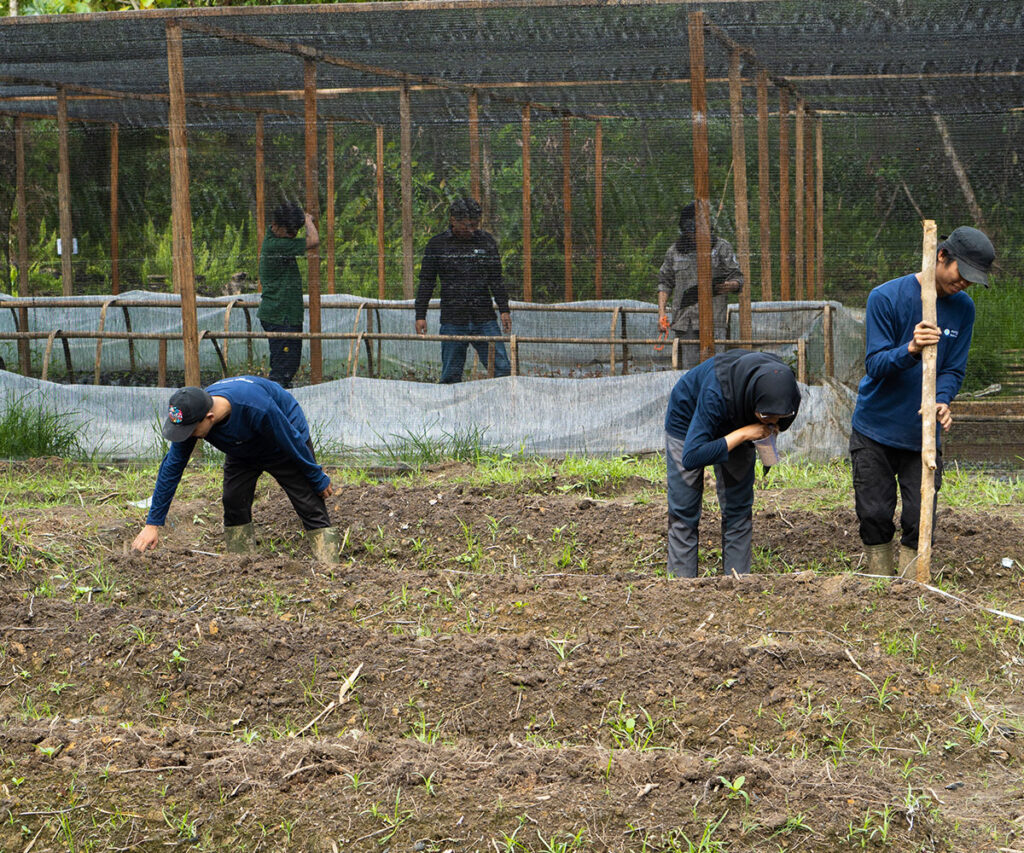
Regenerative Agriculture Demonstration Plots
As a solution to observed low agricultural productivity, we have established a regenerative agriculture demonstration plot. A cropping system demonstrates polyculture combinations such as chili cucumber, chili yardlong bean, chili corn, and local eggplant bean systems, along with a variety of monoculture plots.
The site features 11 plant species, including chili, cucumber, yardlong bean, corn, sour eggplant, mustard greens, local mustard greens, local cucumber, water spinach, beans, and soybeans. Various organic fertilizer treatments are tested, including bokashi compost and liquid organic fertilizer.
The plot also demonstrates the effectiveness of integrated pest management innovations, including using yellow traps, light traps, and refugia.
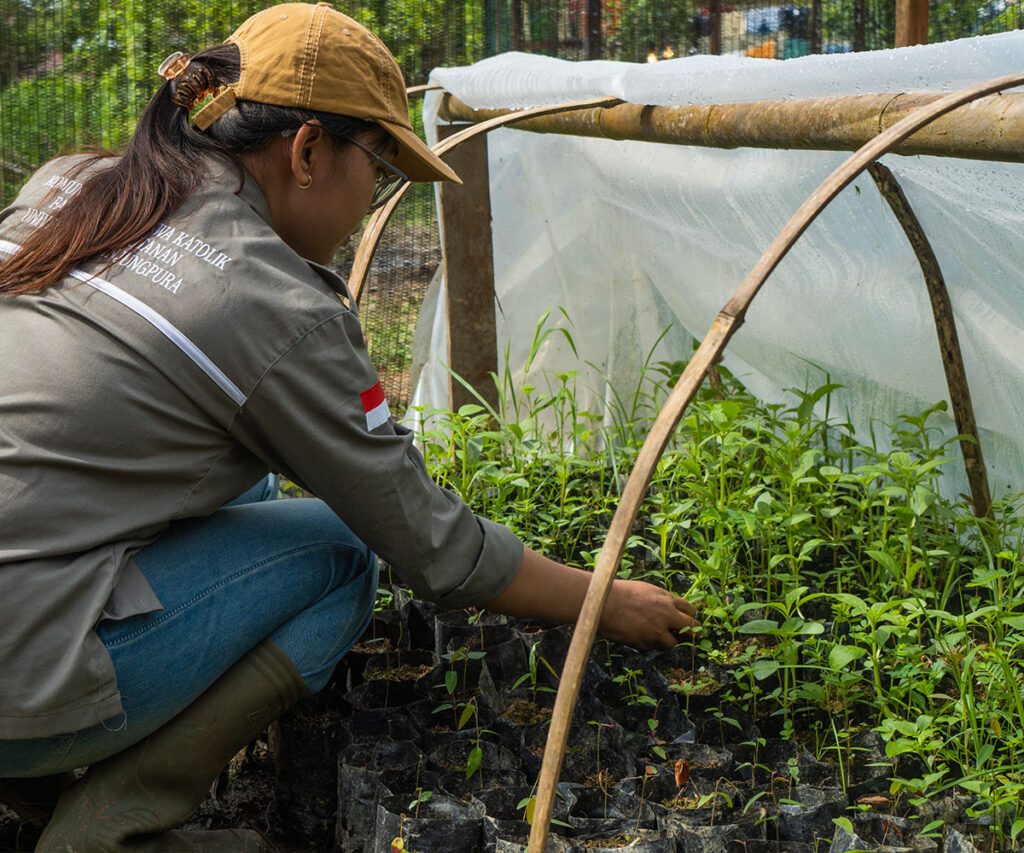
Nursery
A nursery has been established to support expansion of both our regenerative agriculture and Tembawang programmes. It will eventually become a local source of seedlings for Bentarum residents. As of November 2025, the nursery has 5,328 seedlings from 23 species, including fruit trees and RTE (Rare, Threatened, and Endangered) species.
The types of seedlings include: Dryobalanops oblongifolia subsp. Oblongifolia, Durio graveolens, Durio kutejensis, Upuna borneensis, Rubroshorea balangeran, Mangifera pajang, Eusideroxylon zwageri, Syzygium sp, Dacryodes rugosa, Dryobalanops lanceolata, Lansium domesticum, Garcinia cf. nitida, Pentaspadon motleyi, Nephelium sp, Palaquium sp1, Aquilaria malaccensis, Palaquium sp2, Nephelium mangiayi, Willughbeia angustifolia, Nephelium lappaceum, Artocarpus odoratissimus, Artocarpus integer andGarcinia mangostana.
The seedlings are collected from surrounding villages through a natural wildling system, engaging local communities in biodiversity conservation efforts.
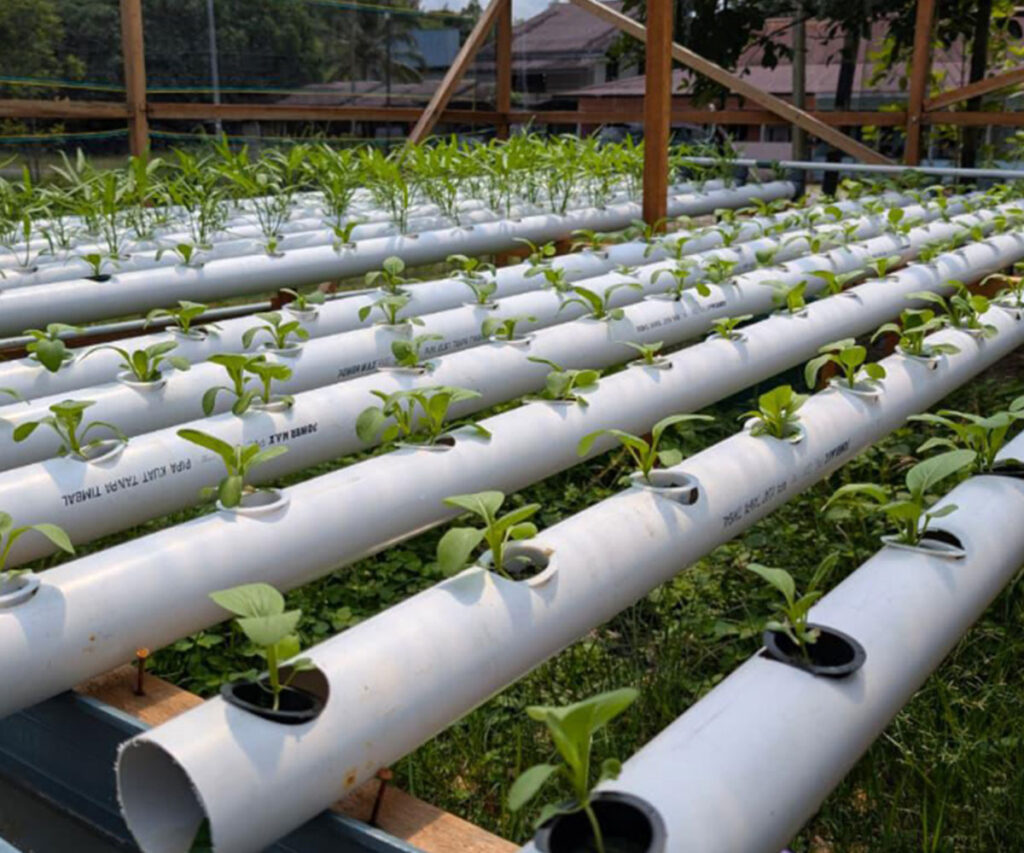
Hydroponics
A simple hydroponic facility has been established to support take-up of soilless farming in areas of poor soil health. The system utilizes the Nutrient Film Technique (NFT) with a production capacity of 216 planting holes. It is currently used to cultivate lettuce, water spinach, pakcoy, and mustard greens, which are commonly consumed vegetables suitable for sustainable production.