March, 2026
Forest Recovery Through Tembawang, a Traditional Agroforestry Land-Use System
Challenge
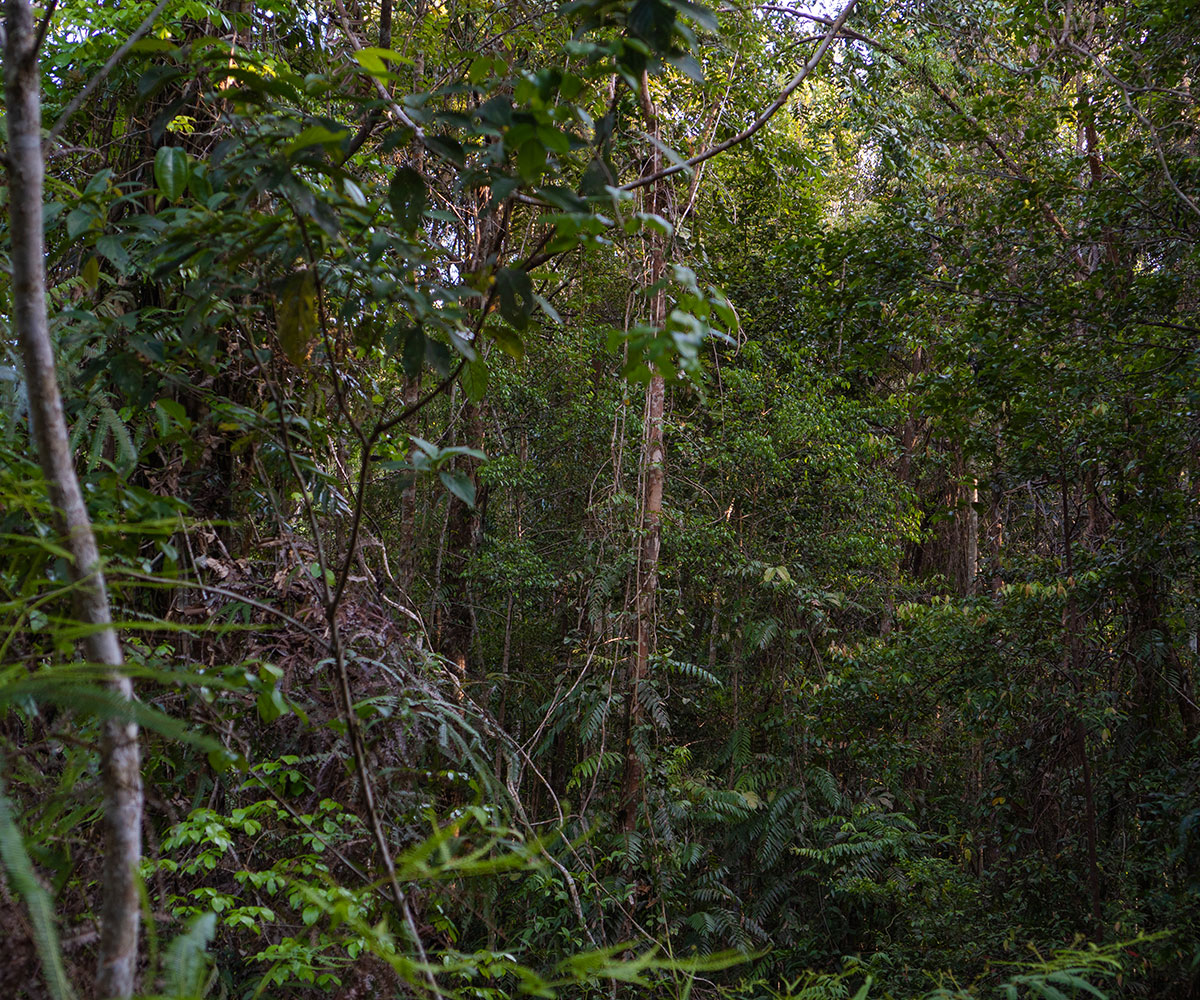
Despite being mainly forested, degraded areas abound throughout Bentarum. These areas have the potential to be recovered to enhance Bantarum’s forest connectivity. Residents support forest recovery but also look for ways to make these degraded areas economically productive.
Solution
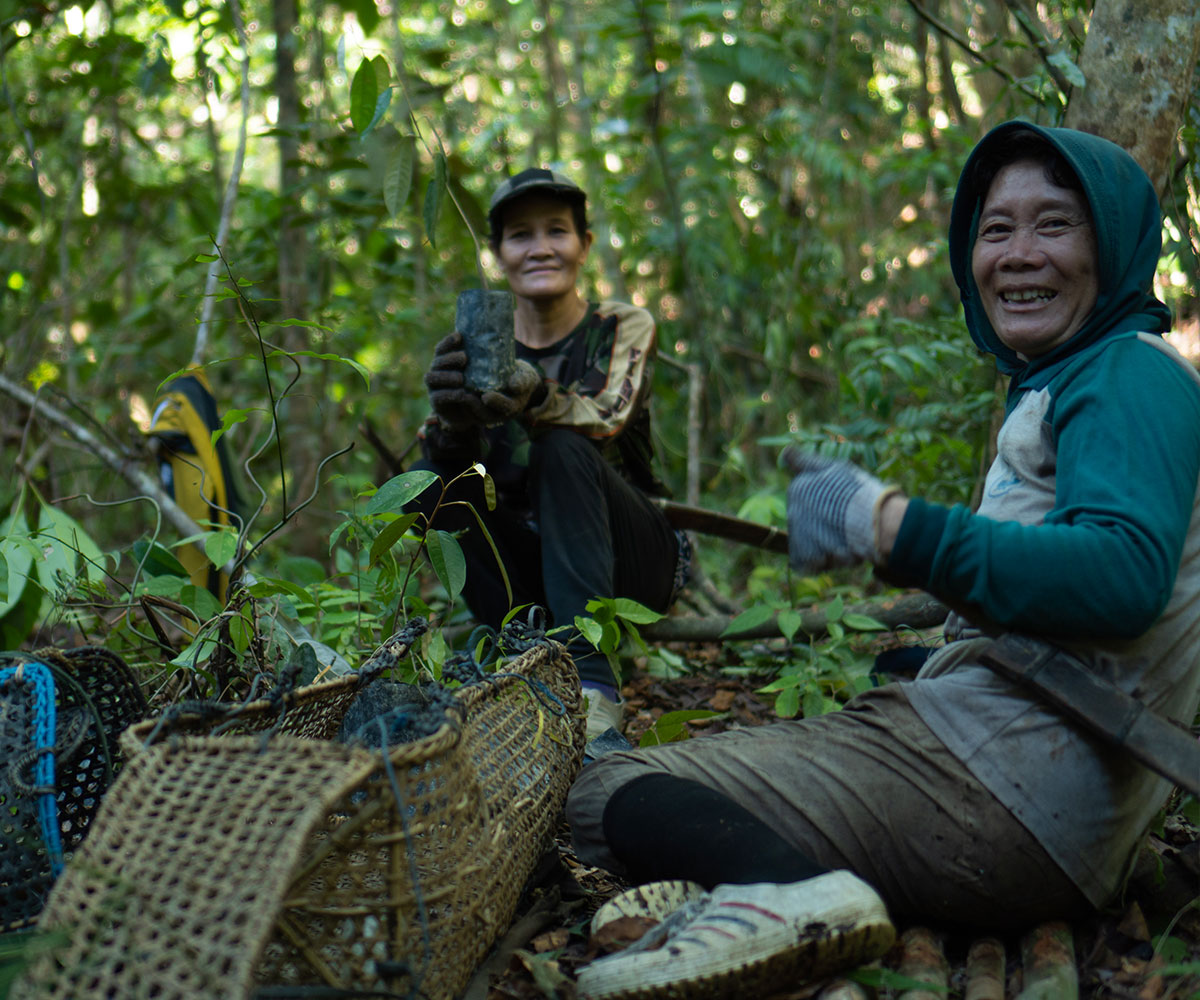
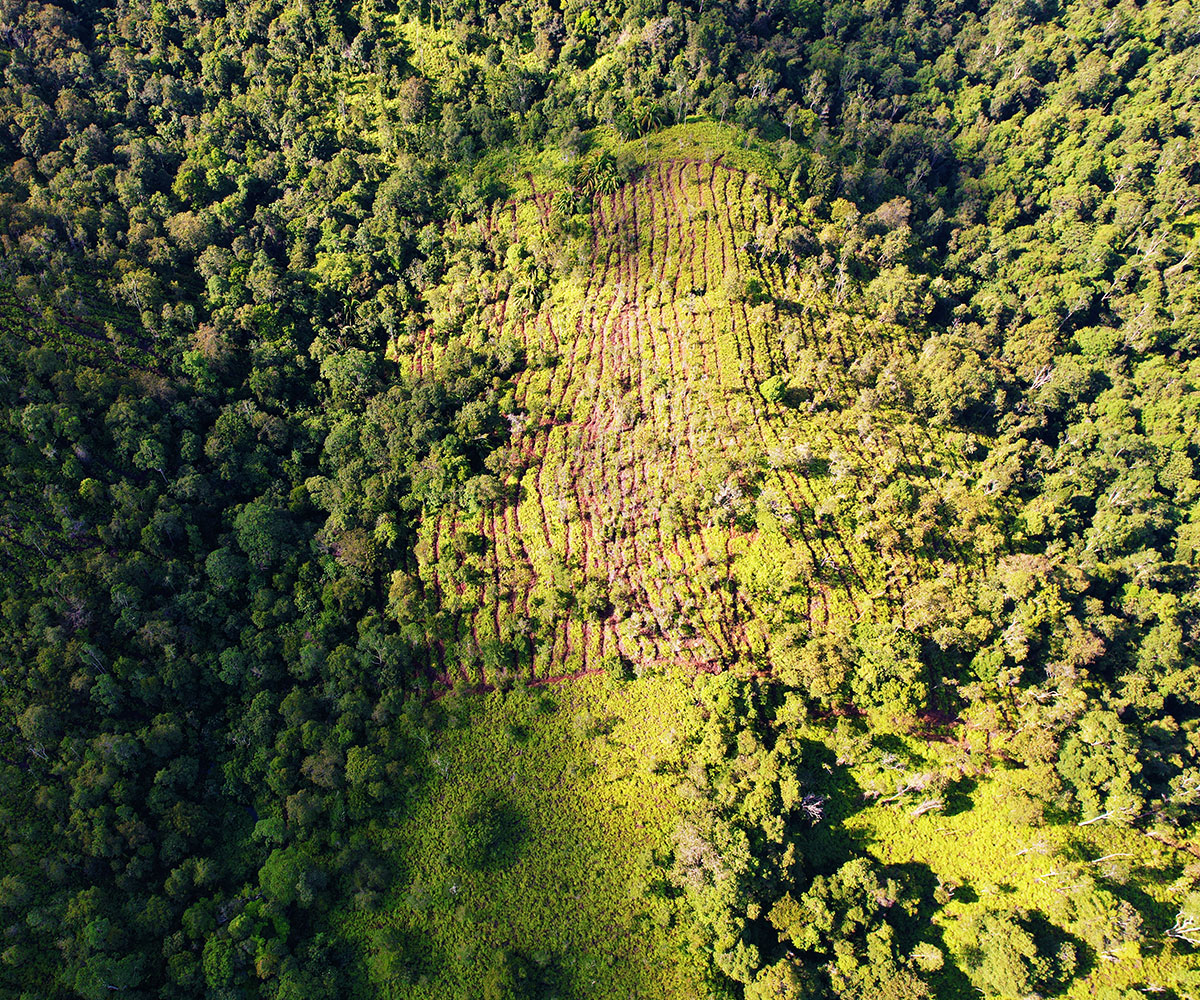
Tembawang is a form of agroforestry practiced by Dayaks in West Kalimantan. Tembawang are managed forest-garden created on former shifting cultivation sites. They are planted with a diverse mix of fruit trees, medicinal plants, timber species, and other useful vegetation.
Watch how indigenous wisdom and modern conservation unite to restore forests in Bentarum.
Progress
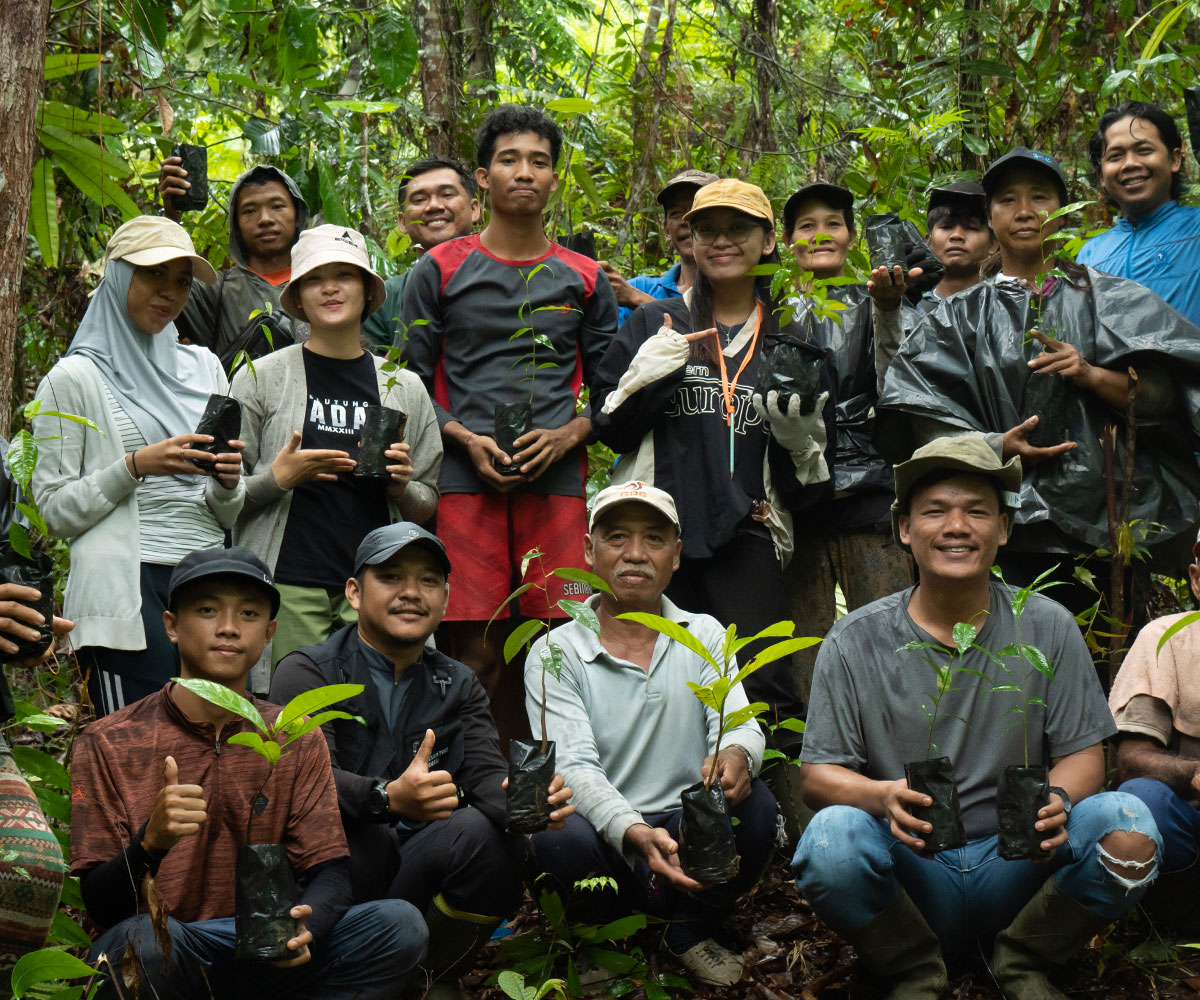
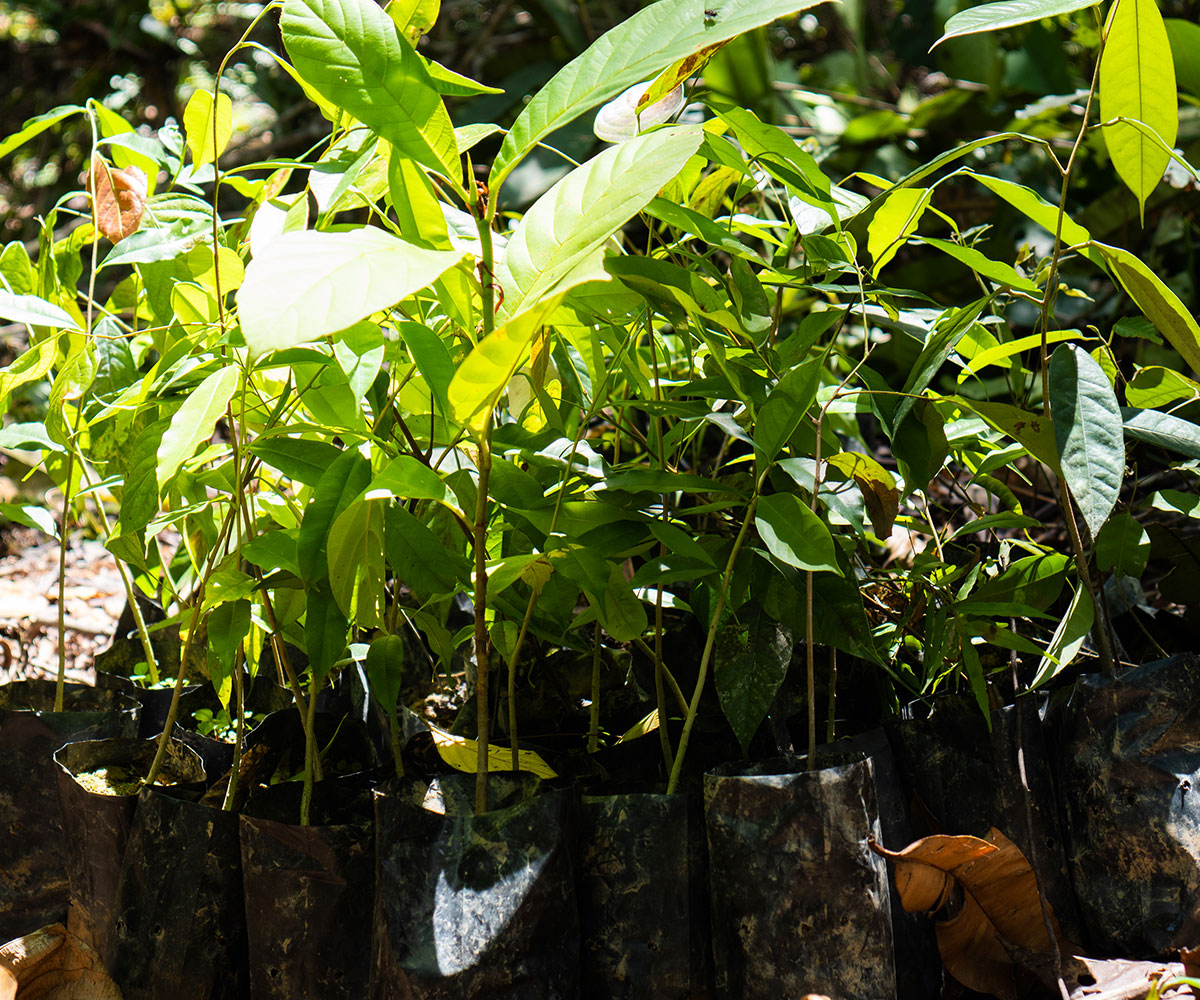
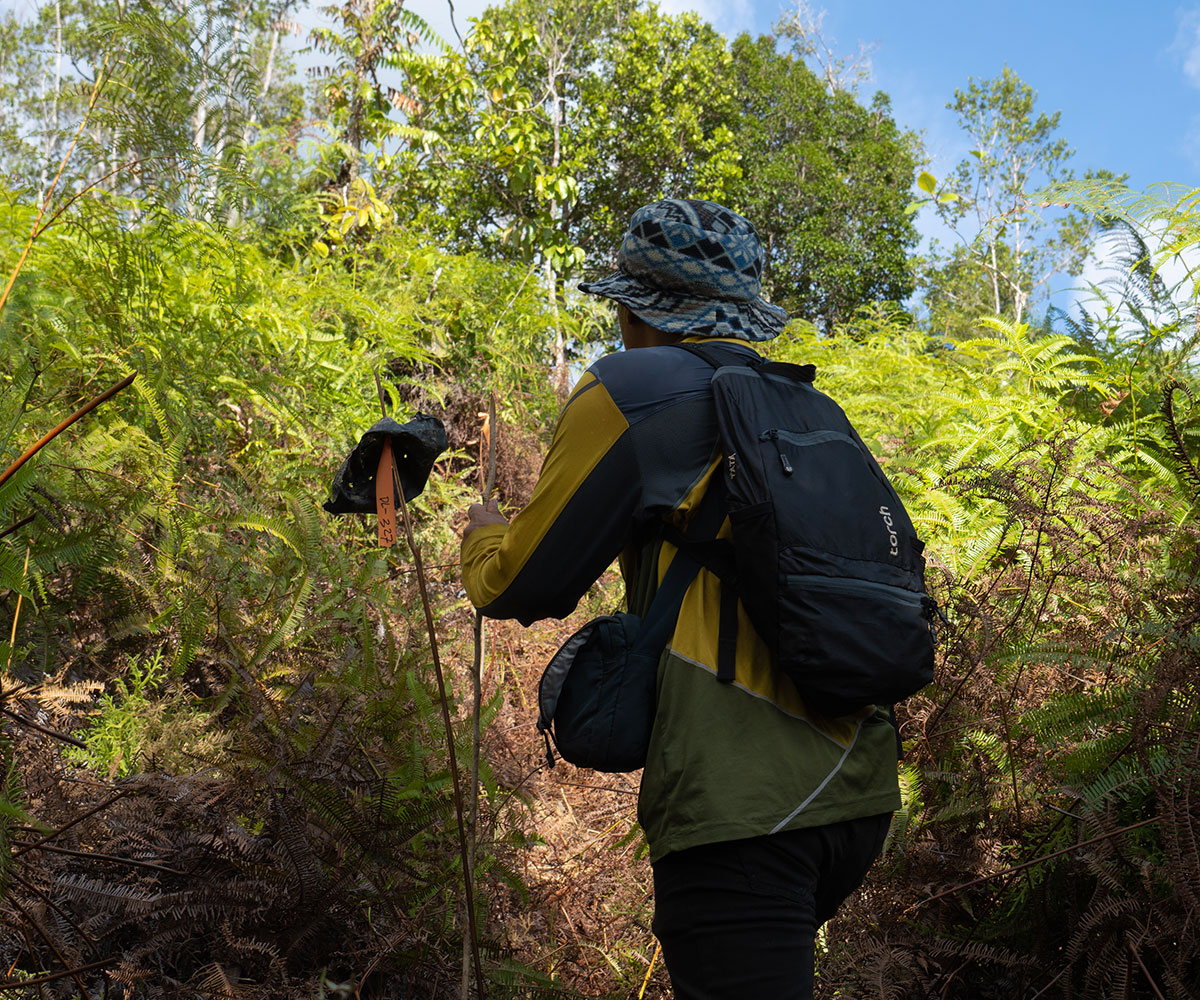
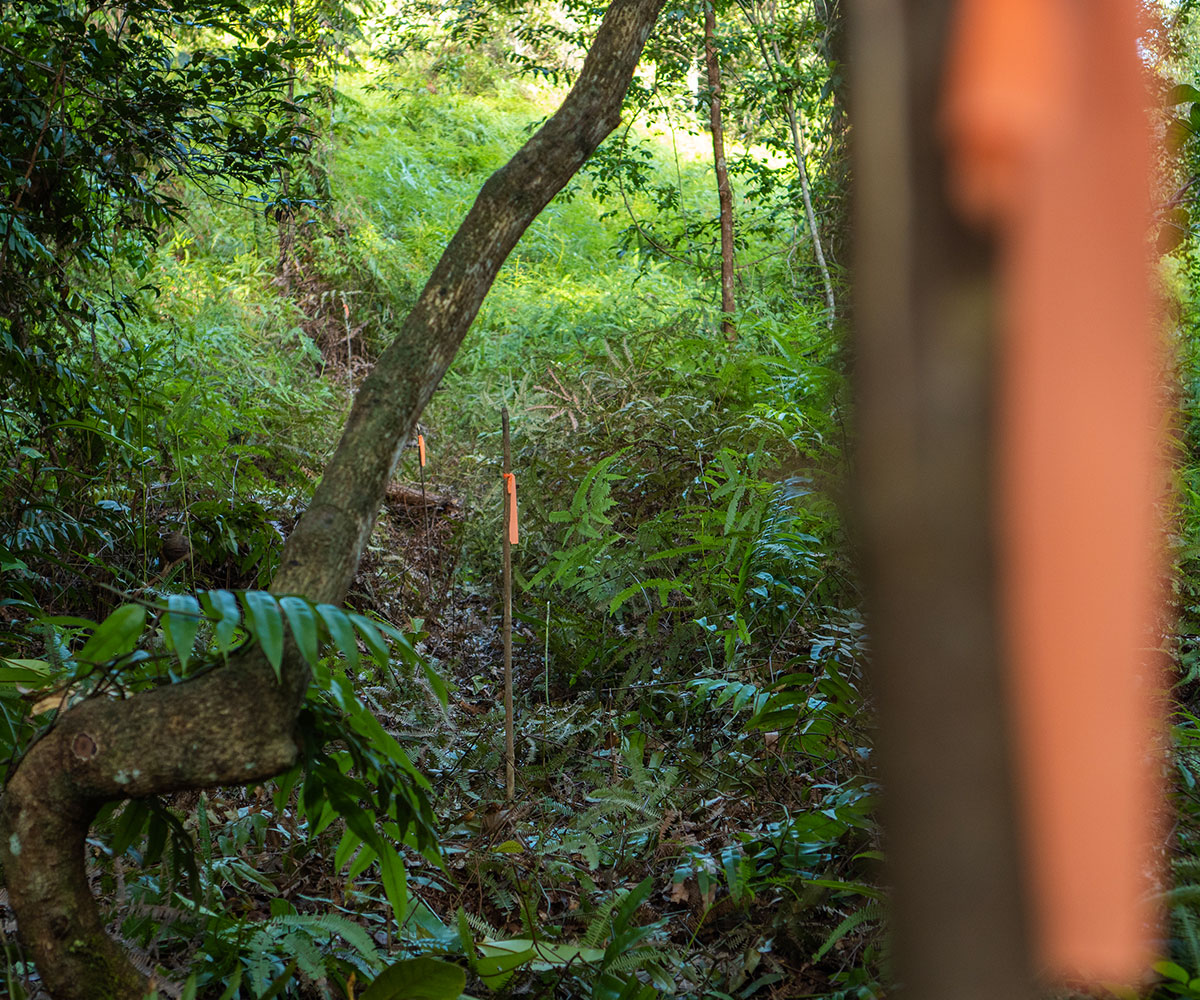
As of March 2026, we have established an 12-hectare Tembawang in the village of Labian along with a nursery. In total 6,038 seedlings have been planted, from a total of 42 species. In our nursery, 10,370 seedlings have been propagated from a total 58 species. Our tembawang hosts 4,698 seedlings from 23 species of slow-growing fruit trees. These offer potential future economic return and encourage long-term protection of the Tembawang.
Key species include 300 Archidendron jiringa trees, which produce the lucrative jengkol fruit; 824 Nephelium lappaceum trees, which provide the rambutan fruit; 388 Aquilaria beccariana trees, which are used for incense, perfume, and small hand carvings; and 495 Parkia speciosa trees, which produce bitter beans.